Why nervous system tools aren’t enough for sensitive and neurodivergent children and adults
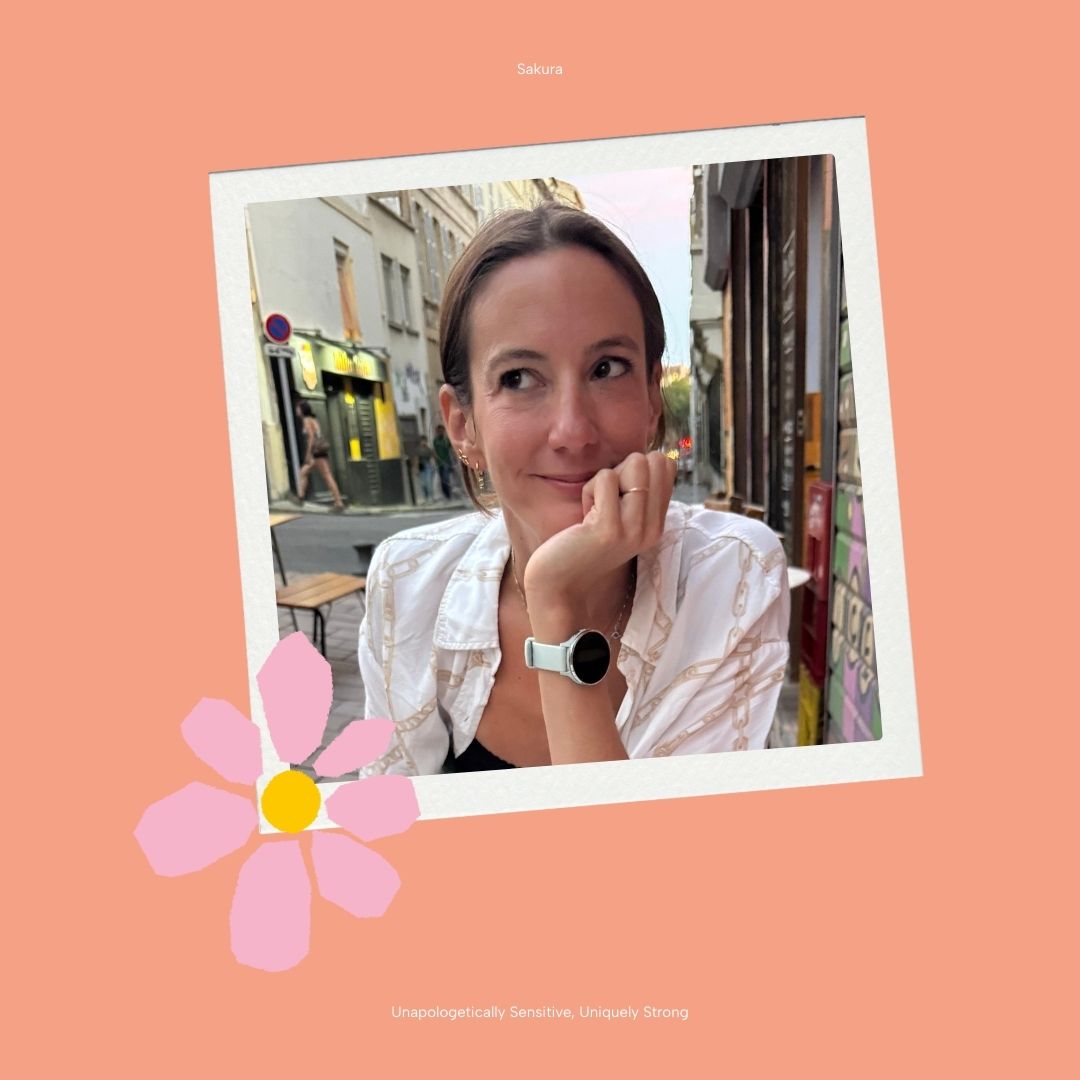

Everything I do is rooted in one thing: helping sensitive and neurodivergent children and adults feel safe in their nervous system.
This work is personal. I live with a highly sensitive nervous system myself, and I know that inner safety is not optional. It is what allows us to move through life with connection, confidence, and resilience.
Nervous system regulation is not about calming down or getting rid of emotions. It is about building the capacity to feel, to listen to the body, and to meet life from a place of deep inner safety.
When people talk about nervous system regulation, the focus is often on tools. Breathing exercises, grounding practices, somatic techniques, reducing screen time, spending time in nature.
All of these matter, and I use them daily, both personally and in my work.
But here is the truth: nervous system tools, on their own, are not enough.
Regulation is not only about supporting the nervous system in the moment. It is also about addressing what keeps activating it in the first place.
When we think about the causes of dysregulation, we often blame the pace of modern life. Constant stimulation, phones, artificial light, noise. These factors absolutely play a role.
And yet, for sensitive and neurodivergent children and adults, one of the deepest and most persistent causes of chronic dysregulation lies somewhere else entirely.
It lies in the belief that something is wrong with them.
The belief that they are broken.
That they need fixing.
That they are not enough in some ways and too much in others.
This belief creates a profound sense of unsafety in the nervous system. And unsafety is exactly what activates it.
At a very primitive level, the nervous system experiences this belief as a threat. The threat of being rejected. The threat of not belonging. The threat of losing connection with the tribe. For a nervous system wired for depth, sensitivity, and connection, this threat is enormous.
As a result, many sensitive and neurodivergent children and adults live with a constant underlying sense of emotional unsafety.
Their nervous system remains on high alert, not because of what is happening now, but because of what they fear about themselves.
From this place, survival strategies often emerge. Perfectionism. People-pleasing. Masking. Over-adapting. These are not personality traits. They are protective responses designed to reduce the risk of rejection and preserve belonging.
Over time, this impacts every area of life.
Relationships can feel more intense and fragile, as everything is experienced through the lens of potential rejection.
Emotional reactions can feel disproportionate, not because the person is “too much,” but because the nervous system is already braced.
It can also prevent people from building a life that truly reflects who they are. From starting projects that matter to them. From taking creative risks. From being fully seen.
Because what if they fail?
What if people see who they really are?
So a mask forms. A version of the self shaped by external expectations rather than inner truth. Maintaining that mask is exhausting. It drains energy, dulls joy, and keeps the nervous system in a constant state of tension.
So where does this belief of being broken come from?
We live in a society largely designed for neurotypical nervous systems and brains.
Sensitive and neurodivergent children often grow up trying to adapt to structures that were never designed with them in mind.
From an early age, they receive messages, sometimes subtle, sometimes explicit, that something about them is wrong. That they are too slow, too emotional, too intense, too distracted, too quiet. They are measured against expectations that do not honour their nervous system or their way of processing the world.
At the same time, their natural strengths are rarely celebrated. Their depth, creativity, empathy, intuition, originality, and emotional intelligence are often misunderstood or overlooked.
Let me share something personal.
I grew up believing that I was shy.
I was never shy.
I am an introverted and highly sensitive woman, and that is something very different. My nervous system needs time to warm up. When I enter a new environment, there is a lot to sense and process, and it takes time to feel safe. I also deeply dislike small talk and surface-level interactions.
Shyness, on the other hand, is rooted in the fear of being judged.
But because I was repeatedly told that I was shy, and that I should be less shy, I began to believe it. Over time, that belief shaped how I saw myself. It deeply impacted my self-confidence.
For years, I tried to make myself more extroverted. I pushed against my nature and inevitably felt like I was failing. That constant sense of failure slowly eroded my self-trust and self-worth.
The same was true for my sensitivity. I was often told I was too sensitive and needed to toughen up, so I learned to silence the part of me that held my greatest gifts.
Everything shifted when I began to truly understand my sensitivity and my introversion.
When I stopped trying to fix them and started honouring them. When I realised that these qualities were not limitations, but the source of my greatest strengths.
That shift changed my relationship with myself, and with life.
I built a life that feels aligned in my work, my relationships, my family, and my sense of purpose. My long-standing fears and anxieties softened or disappeared. Public speaking, which once made me feel physically sick, is now something I genuinely enjoy. I have things to share, and my nervous system no longer experiences being seen as a threat.
This is why, at Sakura, my work with the nervous system goes beyond tools.
We bring safety back into the body, not just through tools, but by tending to the deeper roots of dysregulation.
We work on self-esteem and self-trust.
We challenge the belief that something needs fixing.
We rebuild a deep inner sense of belonging.
Because nervous system regulation is about feeling safe enough to be yourself.
And you or child are not broken.
You never were.
You are a piece of art.
If you’re reading this and feeling a quiet “yes” for yourself or your child, I would love to support you. I am now taking bookings for 2026, and January is already filling up, so feel free to reach out if you would like to explore working together. 💛
With Love
Ixxx

Comments